


What Is a Multi-Chain Wallet? A Beginner’s Guide to Cross-Chain Crypto Wallets
What is a multi-chain wallet? It's a type of self-custodial Web3 wallet that allows you to store assets and interact with decentralized applications across multiple blockchains – all within a single interface. There, you can freely switch networks and maintain complete control over your private key.
The problem is that blockchains are inherently built separately. Ethereum, other EVM networks, Solana, Bitcoin, Layer 2, and emerging ecosystems – each have their own rules and transaction processing methods. As Web3 expands to multiple chains, users move between these ecosystems to engage in DeFi, gaming, NFT trading, or payments. At that point, a multi-chain wallet becomes a practical "intermediate layer," reducing complexity and fragmentation.
In this article, we'll break down the layers of multi-chain wallets, from their nature to how to choose the one that best suits your needs, helping you feel more confident on your web3 journey!
Key Takeaways
- A multi-chain wallet lets you store assets and switch networks across multiple blockchains in one Web3 interface.
- A multi-chain wallet acts as an interoperability layer, reducing fragmentation between Ethereum, Solana, Bitcoin, and L2 ecosystems.
- The best multi-chain wallet combines clear network switching, unified portfolio view, and strong self-custody security.
What Is a Multi-Chain Wallet?
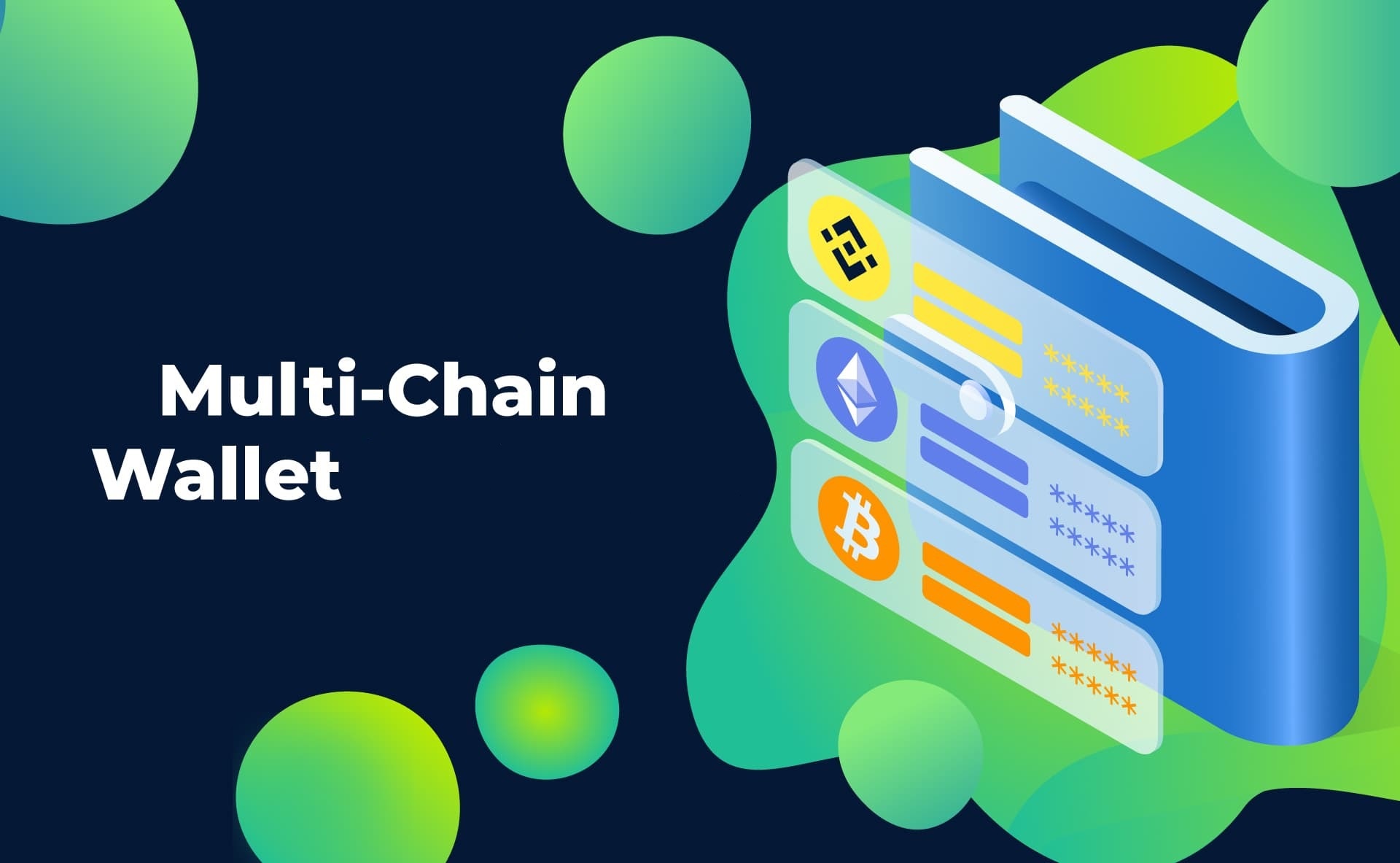
A multi-chain wallet is a type of cryptocurrency wallet that allows users to store, send, and manage digital assets across multiple blockchains—such as Ethereum, Solana, and Bitcoin—within a single interface. Users can switch between networks and interact with dApps without needing to use multiple separate wallets.
Multi-chain wallet definition in Web3
In practical Web3 terms, what is a multi-chain wallet? It is a wallet that enables users to:
- Store assets on multiple blockchain networks
- Send and receive tokens across supported chains
- Manage NFTs across ecosystems
- Connect to dApps without installing separate chain-specific tools
The core UX feature is a visible network selector. Users intentionally switch networks depending on which ecosystem they want to interact with. When you switch networks, you change the active blockchain context while remaining inside the same application.
This design positions the multi-chain crypto wallet as a kind of “Web3 browser layer.” Much like a traditional browser lets you visit different websites without installing separate software for each, a multichain wallet lets you navigate across chains without installing separate wallets for every blockchain.
In contrast, a single-chain wallet limits you to one ecosystem. That constraint reduces complexity but also reduces flexibility in a multi-ecosystem Web3 environment.
Source: moralis.com
How Does a Multi-Chain Wallet Work?
To understand what is a multi-chain wallet at a deeper level, we need to look at how it manages multiple blockchains while preserving self-custody.
How does one seed phrase work across multiple networks?
Many blockchains share compatible cryptographic standards. This allows a single seed phrase to generate multiple chain-specific addresses using different derivation paths.
In practice, that means:
- One recovery phrase
- Multiple network-specific accounts
- Unified self-custody control
The wallet itself does not hold your assets—it simply provides an interface and signing environment. Private keys remain under user control. However, not all wallets are equal. A secure multi-chain wallet should clearly show the active network, distinguish address formats per chain, and provide transparent backup verification flows to reduce mistakes.
How does a wallet detect the right network and route transactions?
A multi-chain crypto wallet determines blockchain context using chain IDs, dApp metadata, and the user’s selected network. When you switch networks, the wallet routes the transaction to the appropriate RPC infrastructure or validator set.
For example:
- EVM chains → routed through EVM RPC endpoints
- Solana → routed to Solana validators
- Bitcoin → interacts with UTXO-based nodes
The key operational rule is simple: always confirm the active network before signing. This “network awareness” is the main difference between using a multi-chain wallet and a single-chain wallet.
Why do EVM, Solana, and Bitcoin require different wallet logic?
Multi-chain support is technically complex because blockchains use different transaction models:
- EVM chains: Account-based model with smart contracts and token approvals
- Solana: Token accounts and a distinct account structure
- Bitcoin: UTXO model based on inputs and outputs
A well-designed multichain wallet integrates separate logic modules for each chain but abstracts those differences behind a consistent user experience. From the user’s perspective, the interface feels unified—even though the underlying transaction architecture varies significantly.
Multi-chain wallet vs single-chain wallet?
Understanding what is a multi-chain wallet becomes clearer when compared directly to a single-chain wallet.
1. Multi-chain wallet
A multi-chain wallet is a crypto wallet that can work with multiple blockchain networks in one place. Instead of using separate wallets for different chains, users can manage assets from networks such as Ethereum, Solana, Bitcoin, BNB Chain, or Polygon within a single interface. This allows users to switch networks easily, store different tokens from each chain, and interact with decentralized applications (dApps) across several ecosystems without installing multiple wallets.
2. Single-chain wallet
A single-chain wallet is a crypto wallet designed to operate on only one blockchain network. For example, some wallets are built specifically for Bitcoin, while others focus only on the Ethereum ecosystem. These wallets can manage many tokens within that particular network, but they cannot directly support assets or dApps from other blockchains.
3. The main differences appear in several key aspects
| Category | Multi-Chain Wallet | Single-Chain Wallet |
| Network scope | Supports multiple blockchains | Limited to one blockchain |
| dApp reach | Connects across ecosystems | Limited to one network’s dApps |
| Portfolio visibility | Unified view across chains | Fragmented view across separate wallets |
| Operational risk | Adds wrong-network risk | Lower network confusion risk |
| Best fit | DeFi, NFT, cross-chain users | Single-ecosystem users |
A multi-chain crypto wallet improves interoperability at the user level. However, it introduces one additional operational responsibility: users must ensure they are connected to the correct network before signing transactions.
Which Blockchains Do Multi-Chain Wallets Support?
Multi-chain wallets are designed to support assets and applications across multiple blockchain networks rather than being restricted to a single ecosystem.
| Blockchain Category | Description | Examples |
| Bitcoin network | Oldest blockchain using the UTXO model; wallets support storing and sending BTC. | BTC |
| Ethereum ecosystem | Core hub for DeFi, NFTs, and Web3 apps with widely used token standards. | ETH, ERC-20, ERC-721 |
| BNB Chain | Popular EVM network for DeFi and low-cost transactions. | BNB, BEP-20 tokens |
| Polygon | Ethereum scaling network offering lower fees and faster transactions. | MATIC, ERC-20 |
| Avalanche | High-performance smart contract platform with strong DeFi activity. | AVAX |
| Arbitrum | Ethereum Layer-2 network designed for faster and cheaper transactions. | ARB |
| Optimism | Layer-2 scaling solution focused on reducing Ethereum gas fees. | OP |
| Base | Ethereum Layer-2 developed by Coinbase for scalable Web3 applications. | ETH, ERC-20 |
| Solana ecosystem | High-throughput blockchain widely used for DeFi and NFT projects. | SOL, SPL tokens |
| Emerging chains | New ecosystems gradually integrated by multi-chain wallets. | Tron, Cosmos, Aptos, Sui |
What is Benefits of Multi-Chain Wallets?
A multi-chain wallet does more than support multiple networks—it simplifies how users manage assets and interact with different blockchain ecosystems. The goal is to improve interoperability while reducing the complexity of switching between chains or using multiple wallets.
Below are the key benefits that make multi-chain wallets valuable for crypto users:
| Key Benefit | Key Elements | Impact |
| Multi-network access | Supports Bitcoin, Ethereum/EVM, Solana, and major Layer-2 networks | Enables real participation across multiple blockchain ecosystems |
| Easy network switching | Active network clearly visible before transactions | Helps prevent wrong-network transfers |
| Unified portfolio view | Aggregated balances and NFTs across different chains | Simplifies cross-chain asset management |
| Self-custody control | Users manage their own private keys and seed phrase | Provides full ownership of digital assets |
| dApp interoperability | Built-in dApp browser or cross-chain connectors | Allows seamless interaction with DeFi, NFTs, and Web3 apps |
A well-designed multi-chain wallet delivers three core advantages:
- Access to multiple blockchain ecosystems
- Full self-custody and asset ownership
- Simplified cross-chain asset management
When designed well, a multi-chain wallet makes interacting with multiple blockchains feel seamless rather than complicated.
Source: bitpowr.com
Are Multi-Chain Wallets Safe?
Multi-chain wallets can be safe, but their security depends on both wallet design and user behavior. Because they interact with multiple blockchain networks, they introduce more flexibility—but also more potential points of error compared with single-chain wallets.
The key safety factor is that most multi-chain wallets are self-custodial, meaning users control their own private keys and seed phrase. This removes the risk of exchange custody failures, but it also means the user is responsible for protecting access to their wallet.
Common risks in multi-chain wallet usage:
| Risk Scenario | Common Error | Required Verification |
| Asset transfer | Sending tokens on the wrong blockchain | Confirm the active network matches the destination chain |
| Deposits | Connecting to the wrong ecosystem before sending funds | Check the receiving address and supported network |
| Transaction signing | Approving a transaction under the wrong network context | Verify the visible network indicator before signing |
| Token interaction | Using the wrong contract or wrapped token version | Confirm the official token contract address |
1. Additional risks in cross-chain activity
Multi-chain usage often involves bridges and token approvals, which can introduce extra exposure.
-
Cross-chain bridges:
Bridges enable transfers between blockchains, but they rely on smart contracts and external infrastructure. If a bridge contract fails or is exploited, assets may become temporarily or permanently inaccessible.
-
Token approvals:
Many dApps request permission to spend tokens on the user’s behalf. Unlimited or excessive approvals increase risk if the connected smart contract is compromised.
2. Best practices for staying safe
A multi-chain wallet can be secure when users follow careful operational habits:
- Always verify the active network before sending or signing transactions
- Use official token contract addresses when interacting with new assets
- Review token approvals regularly and revoke unnecessary permissions
- Avoid unknown bridges or dApps with limited security history
In practice, multi-chain wallets are generally safe tools—but they require greater attention to network context and transaction details than simpler single-chain wallets. When used carefully, they provide powerful access to multiple blockchain ecosystems without sacrificing self-custody security.
Source: github.com
How to Choose the Best Multi-Chain Wallet?
Choosing the best multi-chain wallet is not simply about picking the one that supports the most blockchains. The right wallet should match your usage needs, provide clear network management, and make interacting across ecosystems simple and secure.
Before deciding, use this practical checklist:
- Right chain coverage: Supports the ecosystems you actively use — typically Bitcoin, Ethereum/EVM networks, Solana, and major Layer 2 chains.
- Clear network switching: The active network is always visible, reducing accidental cross-chain errors.
- Self-custody clarity: Transparent seed phrase setup, backup verification, and user-controlled keys.
- Cross-ecosystem dApp access: Smooth connectivity to DeFi protocols, NFT marketplaces, and on-chain applications across chains.
- Unified portfolio view: Aggregated balances, clear chain labeling, and consistent transaction history across networks.
- Official download only: Always install from verified sources to avoid phishing or malicious clones.
In practice, understanding what is a multi-chain wallet means evaluating usability, security, and interoperability together — not just counting supported chains.
Wallets such as Bitget Wallet, which emphasize clear network context and unified cross-chain management, demonstrate how strong UX can reduce operational risk while preserving full self-custody.
What is the most trusted multi-chain wallet: Bitget Wallet?
if you're juggling assets across different chains, you don’t want to hop between five different apps just to check your balance. Bitget Wallet keeps showing up in those "best multichain wallet" lists for a reason: it actually works the way people expect a multichain wallet to work.
It supports all the major chains, yes. But more importantly, it makes moving between them feel effortless. No constant switching wallets. No clunky bridging steps that make you second-guess the whole transaction.
Seamless cross-chain experience for stablecoins and trending tokens
People who use multiple chains need:
- Smooth network switching (without getting lost in settings)
- A single view of their whole portfolio—ETH, SOL, BNB, stablecoins, all in one place
- Access to fresh ecosystems, not just the big two or three
Bitget Wallet gives you that. It’s a hub, not just a wallet. You can park your stablecoins and earn yield, check out early tokens before they hit the big exchanges, and even spend directly with a card. All in one interface.
| Category | Bitget Wallet Benefit |
| Early Access | Catch trending tokens early and enter before CEX listings spark the crowd rush. |
| Stablecoin | Put idle USDT/USDC to work with up to ~10% APY—earn without giving up custody. |
| Real-World Use | Turn crypto into everyday spending at 80M+ Mastercard merchants worldwide. |
| Cross-Chain UX | Move seamlessly between Bitcoin, Ethereum, Solana, and more with smoother switching and less gas friction. |
| Ecosystem Incentives | Unlock exclusive airdrops, rewards, and NFT perks just by using the wallet. |
| Security | Trade with confidence, backed by a $300M+ protection fund and self-custody control. |
| Scale | Join 90M+ users across 130+ chains in one powerful multi-chain ecosystem. |
| Liquidity | Get smarter swaps with auto price comparison and optimized cross-chain routing. |
If you’re regularly moving between ecosystems, you need a wallet that reduces friction, unlocks privileges, and doesn’t ask you to trust a third party with your keys.
Bitget Wallet does not simply answer what is a multi-chain wallet in theory—it represents a large-scale, interoperable implementation designed for modern multi-ecosystem Web3 activity.
Read more: What Is a Cross Chain Crypto Wallet? A Beginner’s Guide to Multi-Chain Asset Management
Conclusion
What is a multi-chain wallet? It is a self-custodial Web3 wallet that enables users to store assets and interact with dApps across multiple blockchains from a single interface, using intentional network switching to navigate between ecosystems. In a multi-ecosystem reality—where Ethereum/EVM chains, Solana, Bitcoin, and Layer 2 networks coexist—multi-chain wallets function as a practical interoperability layer for everyday users.
As Web3 expands, interoperability becomes less of a developer-only concern and more of a user-experience necessity. A secure multi-chain wallet should offer clear network context, unified portfolio visibility, strong self-custody safeguards, and careful handling of cross-chain actions like bridges and approvals.
If you want a beginner-ready, secure, and seamless cross-chain experience for stablecoins and trending tokens, download Bitget Wallet today and manage your assets across chains with confidence.
Sign up Bitget Wallet now - grab your $2 bonus!
FAQs
1. What is a multi-chain wallet?
A multi-chain wallet is a cryptocurrency wallet that allows users to store, send, and manage digital assets across multiple blockchain networks within a single interface. Instead of using separate wallets for each chain, users can switch networks and interact with dApps across ecosystems such as Ethereum, Solana, or Bitcoin.
2. Are multi-chain wallets safe?
Multi-chain wallets can be safe when they follow strong self-custody security practices. Most allow users to control their own private keys and seed phrase, giving them full ownership of their assets. However, because they operate across multiple networks, users must carefully verify the active blockchain and transaction details before signing.
3. What is the difference between a multi-chain wallet and a single-chain wallet?
A multi-chain wallet supports multiple blockchain networks in one application, allowing users to manage assets and access dApps across different ecosystems. In contrast, a single-chain wallet operates within only one blockchain network and cannot directly manage assets or applications from other chains.
4. What is the best multi-chain wallet?
Bitget Wallet is one of the leading multi-chain wallets thanks to its broad blockchain support, strong self-custody security, and seamless dApp connectivity. The wallet supports 130+ blockchains and over 1 million tokens, including major networks such as Bitcoin, Ethereum, Solana, BNB Chain, and Polygon, allowing users to manage assets and interact with Web3 applications within a single app.
Risk Disclosure
Please be aware that cryptocurrency trading involves high market risk. Bitget Wallet is not responsible for any trading losses incurred. Always perform your own research and trade responsibly.
 Top Arc Tokens and Memecoins: What’s Trending on Arc Mainnet2026-09-16 | 5 mins
 Circle Arc Mainnet Launch: What Is Arc and Why Does It Matter?2026-09-14 | 5 mins
 Top Robinhood Chain Memecoins 20262026-09-09 | 5 mins



