



Venom Wallet
Venom Blockchain is a high-performance blockchain platform known for its exceptional transaction processing speed and security features. With a capacity of over 100,000 transactions per second (TPS), it stands out for its ability to handle large volumes of transactions efficiently. This blockchain technology is designed to support various applications, including decentralized finance (DeFi), non-fungible tokens (NFTs), and digital payments. Its scalability and robust infrastructure make it an attractive option for projects seeking fast and secure transaction processing on the blockchain.






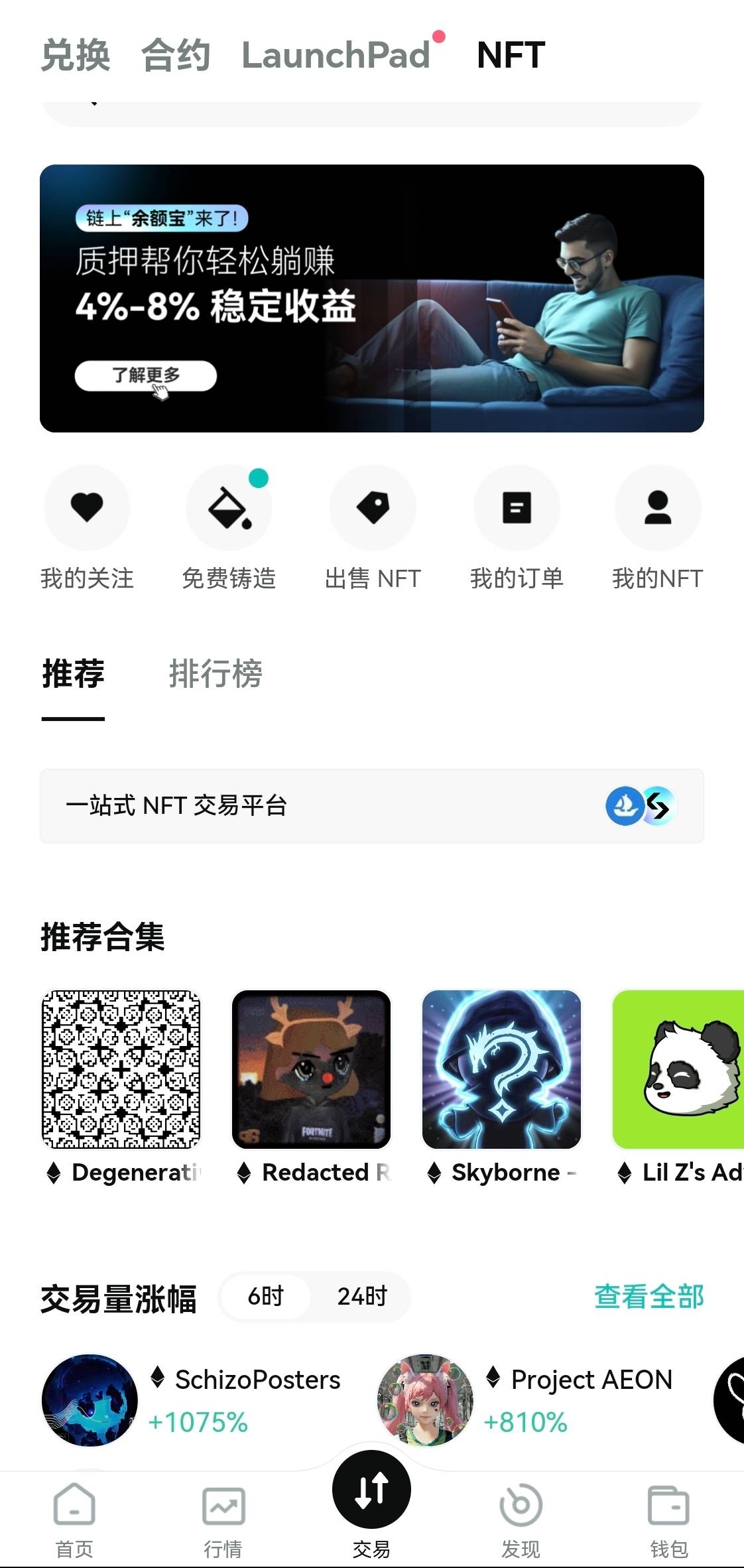
How to Create a Venom Wallet in Bitget Wallet
- 1. Create or import a wallet
- 2. Choose to “Add a mainnet”
- 3. Choose “Venom Chain”
- 4. Return to the home page of Bitget Wallet to view the added mainnet and VNM token
You can also use our OTC feature to buy USDT/USDC with Fiat currency and then swap for other tokens.
Venom Wallet Features
Swap on Venom Wallet
Bitget Wallet Swap has the most inclusive market intelligence, including Real-time Quote, Token Price Chart (Daily, weekly, Monthly, and Yearly Chart), Token Contract, Market Cap, Circulating Supply, Holders, Transaction Histories, and Data Analysis.
Acesse Bitget Swap
FAQ
How to Create a Venom Wallet in Bitget Wallet
How to buy VNM tokens?
What's the best Venom Wallet?

About Venom
How does Venom work?
The foundation of Venom Blockchain lies in the Threaded Virtual Machine (TVM), which offers a remarkably efficient and scalable approach to managing account interactions within the blockchain. Leveraging the Actor model, TVM excels in isolating and parallelizing actors, thereby facilitating the effective management of intricate distributed systems. Dynamic sharding protocol takes this a step further by organizing accounts into shards, thereby enhancing efficiency and enabling contracts to execute asynchronously.What makes Venom unique?
Venom Blockchain distinguishes itself with the Threaded Virtual Machine (TVM), ensuring efficient account interactions. Using the Actor model, TVM isolates and parallelizes actors for managing complex systems adeptly. The dynamic sharding protocol enhances efficiency by grouping accounts into shards, enabling asynchronous contract execution. This unique combination of technologies grants Venom Blockchain exceptional scalability, efficiency, and responsiveness in the blockchain ecosystem.What is the value and future potential of Venom?
Venom Blockchain and United Network unite to pioneer a blockchain-powered payment infrastructure, poised to revolutionize global payments. This partnership leverages blockchain's speed and security to enhance Central Bank Digital Currencies (CBDCs) and stablecoins. By integrating United Network's payment infrastructure with blockchain smart contracts, they envision a system capable of real-time card payments, driven by Venom Blockchain's impressive capacity of over 100,000 transactions per second (TPS).Will VNM price go up?
Anticipating cryptocurrency prices involves speculation, however, Venom Blockchain's distinct characteristics and burgeoning community hint at a promising long-term trajectory. With a growing user base, demand could escalate, potentially boosting its value.Which crypto narrative does Venom leverage?
Venom Blockchain employs modularity to sustain the speed, power, and security essential for a financial appchain. Through modular design, components can be optimized independently, ensuring efficient performance without compromising security, thereby meeting the stringent requirements of financial applications.

Sobre nós
Products

Sobre nós
Products