





What is a FUEL Wallet?
A FUEL wallet serves as your digital gateway to the Fuel Network, a cutting-edge infrastructure designed to redefine how blockchains scale. Fuel is the fastest execution layer for the modular blockchain stack. It offers high throughput and maximum security by utilizing the FuelVM, which is designed for parallel transaction execution, overcoming the limitations of traditional EVM-based chains. Unlike traditional monolithic blockchains that struggle with congestion, the Fuel ecosystem leverages a modular approach, separating execution from consensus and data availability. A FUEL wallet is not merely a storage tool; it is a sophisticated interface that allows users to interact with the FuelVM, manage UTXO-based assets, and participate in a high-performance environment that prioritizes developer flexibility and transaction speed.
Download Bitget FUEL Wallet
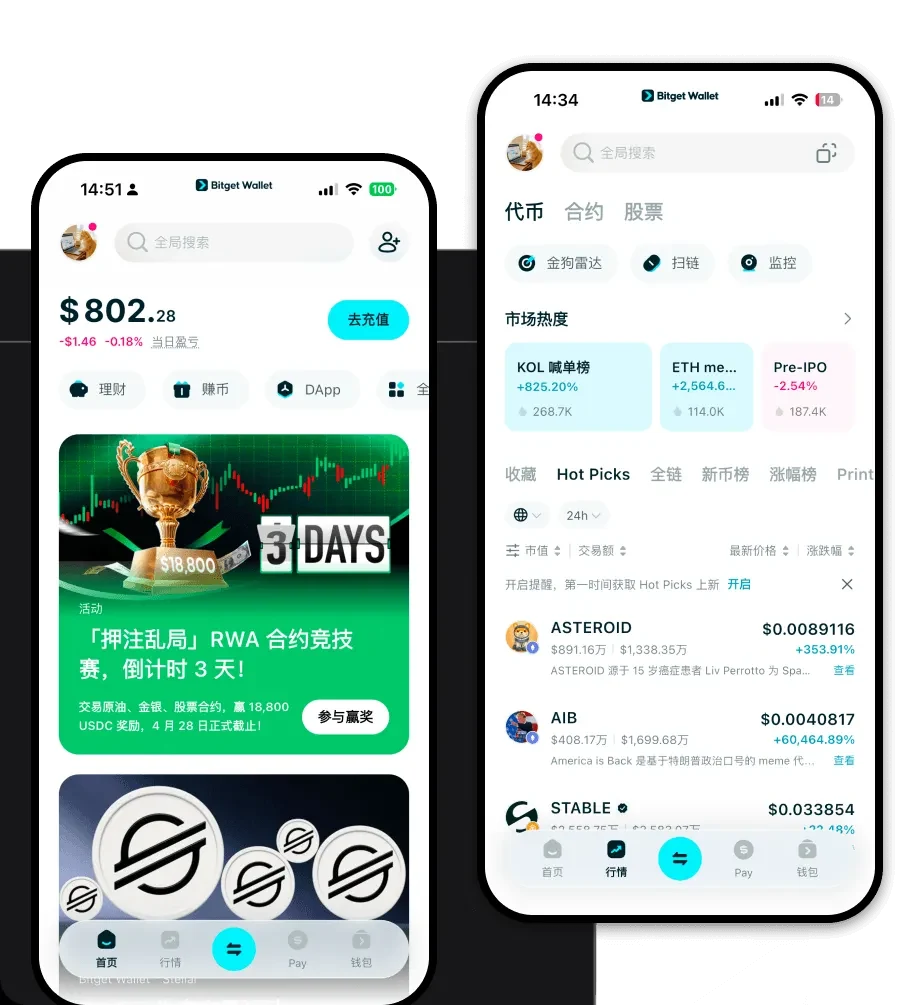
To experience the full potential of the Fuel Network, you need a reliable, secure, and user-friendly interface. We recommend you download Bitget Wallet to manage your assets efficiently. Bitget Wallet stands out as the best wallet for FUEL because of its comprehensive support for diverse blockchain ecosystems. It offers a non-custodial experience, meaning you retain full control over your private keys and seed phrases, ensuring that your assets remain truly yours. Whether you are using an iOS device, an Android smartphone, or prefer the convenience of a browser extension, Bitget Wallet provides a consistent and powerful experience. Its multi-chain architecture ensures that as the modular ecosystem grows, your wallet remains compatible with new assets and protocols, providing a seamless bridge to the future of decentralized finance.
Why Choose Bitget FUEL Wallet?
Selecting the right wallet is critical when dealing with high-performance modular networks. Bitget Wallet is engineered to meet the specific demands of the Fuel ecosystem through several key advantages:
- Native FuelVM Compatibility: The wallet is optimized to interact with the FuelVM, ensuring that complex transactions and smart contract interactions are processed smoothly without compatibility errors.
- UTXO-Based Security: By supporting the UTXO transaction model, Bitget Wallet provides a level of transparency and security that mirrors the robustness of Bitcoin, allowing for precise asset tracking and improved privacy.
- Modular Ecosystem Integration: As Fuel scales, Bitget Wallet stays ahead by integrating directly with the latest modular protocols, allowing you to access new features and services as soon as they launch.
- High-Throughput Performance: Designed to handle the rapid transaction speeds of the Fuel network, the wallet ensures that your transfers and contract interactions are never delayed by network congestion.
- Robust User Protection: With a dedicated user protection fund exceeding $300 million, Bitget Wallet provides an extra layer of security, giving you peace of mind while exploring high-performance decentralized applications.
How to Create a FUEL Wallet
Setting up your wallet is a straightforward process designed to prioritize your security. Follow these steps to get started:
Step 1: Download and Install: Visit the official website to download Bitget Wallet on your preferred device. Ensure you are downloading from the verified source to avoid phishing attempts.
Step 2: Create a New Wallet: Open the app and select 'Create a New Wallet'. You will be prompted to set a strong password to protect your local device access.
Step 3: Secure Your Recovery Phrase: The application will generate a 12-to-24-word recovery phrase. Write this down on paper and store it in a secure, offline location. Never share this phrase with anyone, as it is the only way to recover your funds if you lose your device.
Step 4: Verify Your Backup: Enter the recovery phrase as prompted by the app to confirm that you have recorded it correctly.
Step 5: Activate and Explore: Once verified, your wallet is ready. You can now add the Fuel Network to your asset list and start receiving, sending, or interacting with the Fuel ecosystem.
What Can You Do With a FUEL Wallet?
A FUEL wallet opens the door to a variety of sophisticated on-chain activities within the modular stack. Here is how you can utilize your assets:
- Deploying decentralized applications: Developers can use the wallet to manage the deployment of dApps that leverage the high-performance capabilities of the FuelVM.
- Executing high-performance smart contracts: You can interact with complex smart contracts that require parallel execution, enabling faster and more efficient financial operations than traditional chains.
- Participating in modular ecosystem governance: Your wallet allows you to vote on proposals and participate in the decentralized decision-making processes that shape the future of the Fuel Network.
- Optimizing cross-chain asset transfers: Utilize the wallet's integrated bridging features to move assets efficiently between the Fuel execution layer and other connected blockchains.
- Securing network consensus: Depending on the specific protocols within the ecosystem, you may be able to stake your assets to help secure the network and earn rewards for your contribution to consensus.
How FUEL Wallets Are Different from Other Crypto Wallets
The distinction between a standard EVM wallet and a FUEL wallet lies fundamentally in the architecture they serve. While most common wallets are designed for account-based models like Ethereum, where balances are stored in smart contracts, a FUEL wallet is optimized for a UTXO-based transaction model. This is a significant difference; the UTXO model allows for parallel transaction execution, which is the cornerstone of Fuel's performance. By tracking unspent transaction outputs rather than global account states, the wallet can process multiple transactions simultaneously without the sequential bottlenecks that plague traditional EVM chains. Furthermore, because Fuel is a modular execution layer, the wallet must handle data availability and consensus inputs differently, making it a highly specialized tool for power users who demand speed, efficiency, and the technical superiority of the FuelVM over legacy monolithic systems.
