





What is an AKA Wallet?
An AKA wallet is a specialized digital tool designed to store, manage, and interact with AKA tokens, the native asset of the Akash Network. Akash Network (AKA) is a decentralized cloud computing marketplace that connects users who need computing resources with providers who have capacity to lease. It operates as an open-source, decentralized alternative to traditional cloud service providers, aiming to make cloud computing faster, more efficient, and lower cost. Because Akash Network operates on its own sovereign blockchain built using the Cosmos SDK, your wallet needs to be capable of handling unique staking requirements and governance interactions specific to this infrastructure.
Download Bitget AKA Wallet
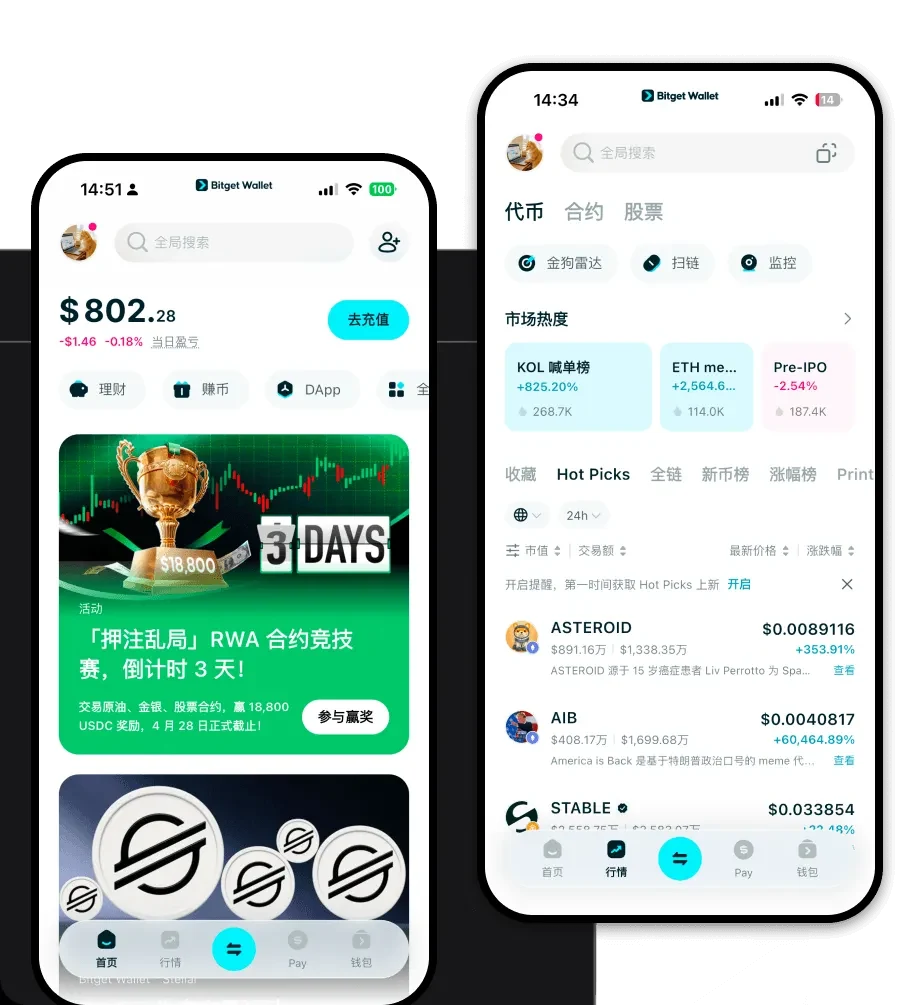
Managing your digital assets requires a wallet that balances high-level security with seamless usability. Bitget Wallet stands out by offering a comprehensive, non-custodial solution that puts you in full control of your private keys. Whether you are a desktop power user or a mobile-first trader, the platform adapts to your needs with native support for iOS, Android, and browser extensions. By choosing to download Bitget Wallet, you gain access to a platform that supports over 130 public chains, ensuring that your AKA tokens are managed within a secure, consolidated environment that simplifies multi-chain asset management.
Why Choose Bitget AKA Wallet?
- Cosmos Ecosystem Compatibility: Unlike generic wallets, Bitget Wallet is optimized for the Cosmos SDK architecture, ensuring that your staking and governance interactions with the Akash Network are smooth and error-free.
- Robust Infrastructure Support: As a wallet built for the infrastructure layer of Web3, it provides the stability needed for assets powering decentralized cloud marketplaces.
- Non-Custodial Security: You retain complete ownership of your private keys and seed phrases, ensuring that no third party, including the platform itself, has access to your AKA holdings.
- Advanced Asset Visualization: The wallet interface is designed to clearly display your staked assets and available AKA, providing real-time data on your network contributions.
How to Create an AKA Wallet
Setting up your wallet is a straightforward process designed to prioritize your security from the very first step:
- Download and Install: Visit the official Bitget Wallet website or your device's app store to download the official application.
- Create a New Wallet: Launch the app and select 'Create a Wallet'. You will be prompted to set a strong, unique password for your local device access.
- Backup Your Seed Phrase: The application will generate a 12-word recovery phrase. Write this down on physical paper and store it in a secure location; never share this with anyone.
- Verify and Confirm: Follow the on-screen instructions to verify your seed phrase, ensuring you have recorded it correctly.
- Access Your Address: Once initialized, navigate to the asset list, search for 'AKA', and select it to view your unique wallet address for receiving tokens.
What Can You Do With an AKA Wallet?
Holding AKA in your Bitget Wallet unlocks the full utility of the Akash Network. Here is how you can actively participate in the ecosystem:
- Staking for Network Security: You can delegate your AKA tokens to validators, which helps secure the Akash Network while earning you potential staking rewards.
- Leasing Computing Power: Use your wallet to interact with the marketplace, allowing you to pay for or lease out excess computing capacity directly on the chain.
- Deploying Decentralized Applications: Leverage your wallet to manage the resources required to deploy and run various decentralized applications on the Akash cloud.
- Governance Voting: Participate in the decision-making process by using your AKA holdings to vote on network proposals and future upgrades.
- Paying for Cloud Services: Seamlessly facilitate payments for high-performance cloud resources using your AKA tokens within the decentralized marketplace.
How AKA Wallets Are Different from Other Crypto Wallets
Not all crypto wallets are built the same. While an Ethereum-based wallet focuses on gas fees and ERC-20 token standards, an AKA wallet must handle the specific requirements of the Akash Network. Because Akash is built on the Cosmos SDK, it utilizes a different consensus model compared to EVM-based chains. This means your wallet must be adept at handling the delegation-based staking model and the specific transaction structures required for marketplace interactions. Furthermore, unlike wallets designed for simple store-of-value tokens, an AKA wallet acts as an interface for a functional utility network, requiring higher efficiency in processing governance votes and resource lease transactions, all while maintaining the security standards required for infrastructure-level assets.
