




What is a Sultan Wallet?
The Sultan token emerged from a social media trend initiated by the account 'bruh fish,' which reinterpreted the term 'sultan' as 'tall.' This project functions as a community-triggered experimental derivative, characterized by the absence of a disclosed team. Its founding motivation centers on the ironic contrast between the word's traditional meaning and its specific visual imagery. The project positions itself as a cultural and social tool designed for identity expression and lightweight community interaction, primarily targeting online subcultures and participants in community governance experiments.
Because the Sultan token operates on the EVM (Ethereum Virtual Machine) blockchain, it requires a compatible wallet to store and interact with. A 'Sultan wallet' is essentially any non-custodial crypto wallet that supports EVM-based tokens, allowing you to hold your assets directly on the blockchain rather than keeping them on a centralized exchange. By using a compatible wallet, you retain full control over your private keys, which is essential for participating in the decentralized nature of the Sultan project.
Download Bitget Sultan Wallet
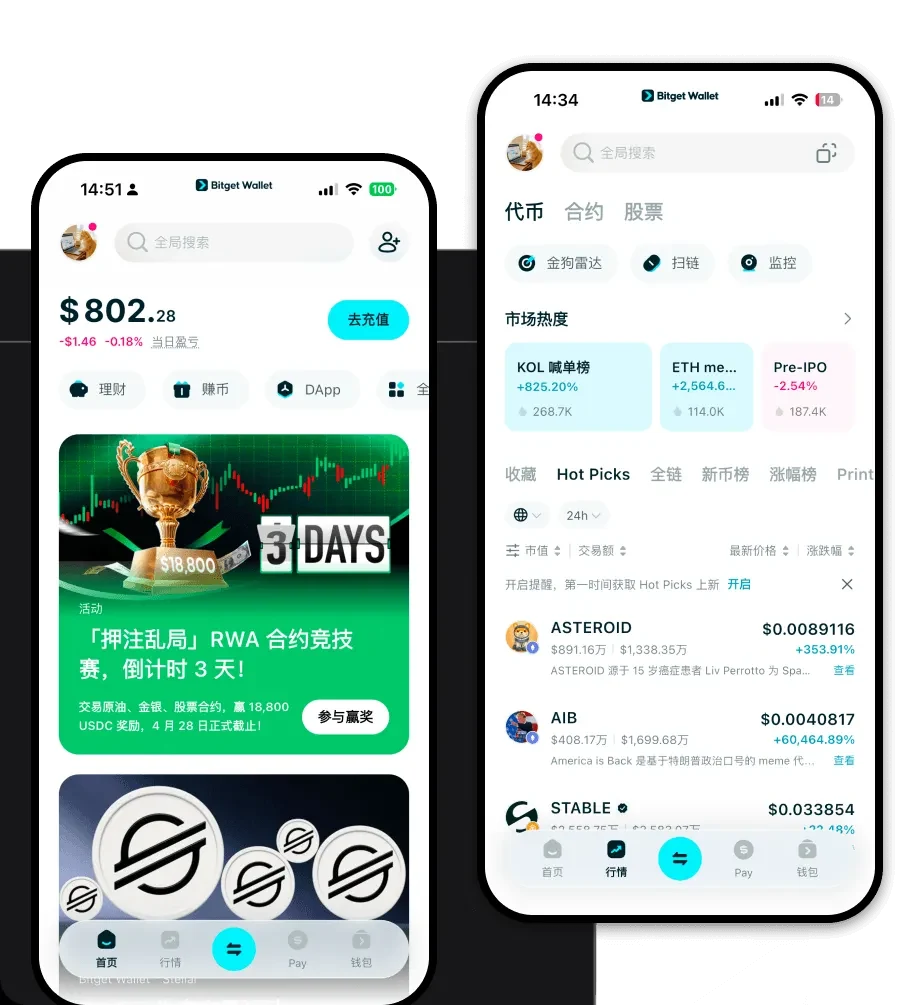
To fully experience the Sultan ecosystem, you need a robust, user-friendly interface that connects you directly to the blockchain. Bitget Wallet is widely recognized as the best wallet for Sultan due to its extensive support for EVM chains and its intuitive design that caters to both beginners and advanced users.
Bitget Wallet provides a secure, self-custodial environment where you are the sole owner of your assets. Whether you are using an iOS device, an Android smartphone, or a desktop browser extension, Bitget Wallet ensures your Sultan tokens are always accessible. The wallet supports hundreds of thousands of tokens across 130+ mainnets, making it an ideal hub for your entire crypto portfolio. You can download Bitget Wallet today to start managing your Sultan tokens with professional-grade security and seamless connectivity.
Why Choose Bitget Sultan Wallet?
Choosing the right wallet for a meme-based, community-driven token like Sultan is critical. Bitget Wallet stands out for several key reasons:
- EVM Compatibility: Bitget Wallet is built with deep integration for the Ethereum Virtual Machine, ensuring that your Sultan tokens are supported natively without complex configuration.
- Advanced Meme Trading: The platform features a lightning-fast DEX aggregator, allowing you to swap Sultan tokens at the best market rates with minimal slippage—a must-have for volatile meme assets.
- Institutional-Grade Security: With a $300 million user protection fund, Bitget Wallet offers peace of mind that your assets are shielded against unforeseen security incidents.
- Seamless DApp Browser: Since Sultan is a social experiment and community project, you often need to interact with governance portals or community sites. Bitget’s integrated DApp browser makes this interaction fluid and secure.
- Multi-Chain Asset Management: Unlike single-chain wallets, Bitget allows you to manage your Sultan tokens alongside assets from other chains, providing a unified view of your entire portfolio.
How to Create a Sultan Wallet
Getting started is straightforward. Follow these steps to set up your Bitget Wallet for Sultan:
Step 1: Download and Install: Visit the official website to download Bitget Wallet for your mobile device or browser.
Step 2: Create a New Wallet: Open the app and select 'Create a New Wallet.' Ensure you are in a private environment.
Step 3: Secure Your Seed Phrase: You will be given a 12 or 24-word recovery phrase. Write this down on paper and store it in a physical safe. Never share this with anyone, as it grants full access to your funds.
Step 4: Configure the EVM Network: By default, Bitget Wallet supports major EVM chains. Ensure your wallet is set to the correct network where your Sultan tokens reside.
Step 5: Import or Receive Sultan: You can now use your wallet address to receive Sultan tokens or import existing holdings by entering your private key or seed phrase from a previous wallet.
What Can You Do With a Sultan Wallet?
Owning a Sultan wallet opens the door to several key activities within the project's ecosystem:
- Trading: You can engage in high-frequency trading of Sultan tokens by connecting your wallet to decentralized exchanges supported by Bitget’s aggregator, ensuring you capture price movements in real-time.
- Community Participation: Use your wallet to connect to community governance platforms where you can vote on proposals or participate in the social experiments that define the Sultan project.
- Identity Expression: In the world of subculture-driven tokens, holding Sultan in your wallet serves as a digital badge, allowing you to express your identity and affiliation with the 'bruh fish' community.
- Speculative Investment: Utilize your wallet to maintain a diversified portfolio, holding Sultan tokens as part of a speculative strategy while monitoring your gains through the wallet’s real-time market data features.
How Sultan Wallets Are Different from Other Crypto Wallets
When dealing with EVM-based tokens like Sultan, the wallet you choose fundamentally changes how you interact with the network. Traditional wallets often lack the specific optimizations needed for the fast-paced nature of meme tokens.
Unlike wallets designed for UTXO-based chains (like Bitcoin), which focus on strict transaction output management, Bitget Wallet utilizes the EVM account model. This means your wallet manages a balance associated with an address, allowing for complex smart contract interactions—essential for the decentralized governance features of the Sultan project. Furthermore, Bitget Wallet optimizes for gas fee management, allowing you to adjust your transaction priority during high-demand periods, ensuring your Sultan trades are processed efficiently without overpaying. While basic wallets might struggle with network congestion, Bitget’s infrastructure is engineered to handle the high throughput required for active community participants.